The Subtle Signs That Reveal a Future Winning Racehorse

The Subtle Signs That Reveal a Future Winning Racehorse
Spotting the next breakout racehorse isn’t just a matter of luck. Behind every victory lies a collection of subtle clues—physical, behavioral, and strategic—that can hint at which horse is poised for success. For the observant fan or bettor, recognizing these details can turn a hunch into an informed prediction. Here’s how to read the signs that often precede a winning performance.
The Body Tells the Story
A horse’s physique reveals much about its condition and potential. A future winner radiates balance, strength, and energy—without appearing tense or overworked.
- Muscle tone: Look for even, well-developed muscles, especially across the hindquarters and shoulders. This indicates strong conditioning and the power needed for a decisive finishing kick.
- Coat and shine: A glossy, tight coat is a classic sign of health and vitality. A dull or patchy coat can suggest that the horse isn’t quite at its peak.
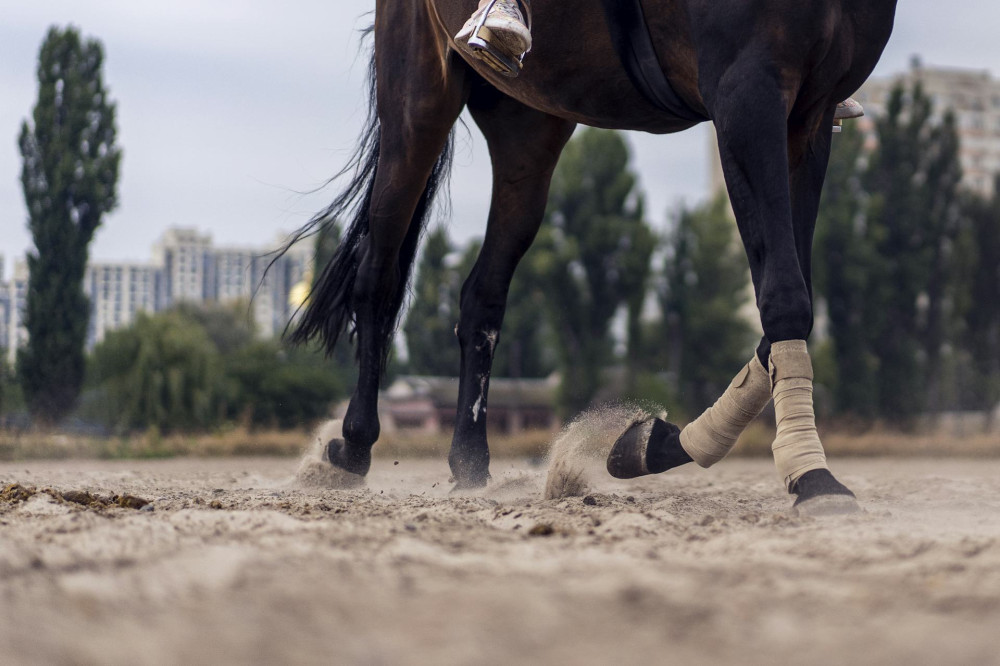
- Posture and movement: A horse that moves fluidly and with elasticity is using its body efficiently. Stiff or uneven strides may point to minor injuries or fatigue.
Even small changes in posture or gait compared to previous races can be telling—signs that a horse is either rounding into form or struggling physically.
Behavior Before the Break
Just as important as physical condition is mental readiness. Many trainers say that races are often won in the paddock, before the gates even open.
- Focused but calm: A horse that’s alert without being anxious is in the right mental zone.
- Overexcited or detached: Excessive sweating, rearing, or lack of interest can mean wasted energy or poor focus—both costly once the race begins.
- Connection with the jockey: Watch the interaction between horse and rider. A horse that responds willingly to subtle cues is likely in sync with its jockey—a key ingredient for success.
Seasoned racegoers often spend the pre-race minutes studying these behaviors. It’s in these moments that the fine line between a good and a great performance can be glimpsed.
Læs også:
The Trainer’s Touch and Timing
A horse rarely performs better than its trainer allows. Understanding a trainer’s patterns and strategies can offer valuable insight.
- Stable form: If several horses from the same barn are running well, it’s a sign that the training and feeding programs are hitting their stride.
- Race placement: Some trainers use smaller races as tune-ups for bigger targets. A horse that’s had a couple of “prep runs” may be ready to peak now.
- Equipment changes: New blinkers, shoes, or bits can signal that the trainer has found the key to unlocking the horse’s best effort.
Tracking a trainer’s habits over time can give you an edge—especially if you can spot when their horses tend to hit top form.
Numbers That Back the Instinct
While intuition and observation are vital, they’re even stronger when supported by data. Statistics can reveal patterns that the eye might miss.
- Post position: Some horses perform better from inside draws, others from the outside—depending on the track and distance.
- Distance and surface: A horse that has already won on the same distance and surface type (dirt, turf, or synthetic) holds a clear advantage.
- Jockey performance: A skilled jockey with a strong win percentage in similar races can be a powerful indicator of success.
Combining numbers with observation provides the most complete picture—and increases your chances of spotting the next standout.
The Day-of Details
Even on race day, small details can reveal whether a horse is ready to deliver.
- Warm-up: A horse that moves freely and energetically during warm-up is often in good physical and mental balance.
- Composure in the gate: A horse that enters calmly and stands still shows confidence and focus.
- Early rhythm: If the horse quickly finds its stride and responds smoothly to the jockey’s cues, it’s a sign that everything is clicking.
These observations take practice, but over time, patterns emerge—patterns that often repeat among horses destined to cross the finish line first.
From Observation to Insight
Identifying a future winning racehorse is a blend of experience, attention, and analysis. It’s not about guessing—it’s about noticing the subtle signals that, together, form a clear picture. The more you watch, the more you’ll see the difference between a horse that merely competes and one that’s ready to win.
Læs også: