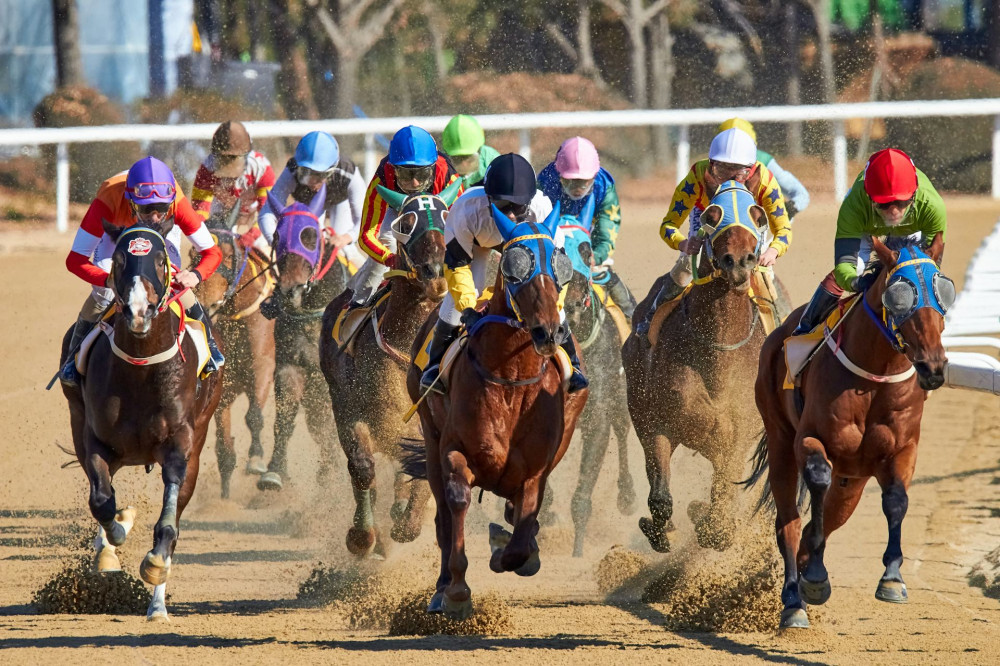
Psychological Traps in Horse Racing – When Favorites Are Overrated and Underdogs Underrated

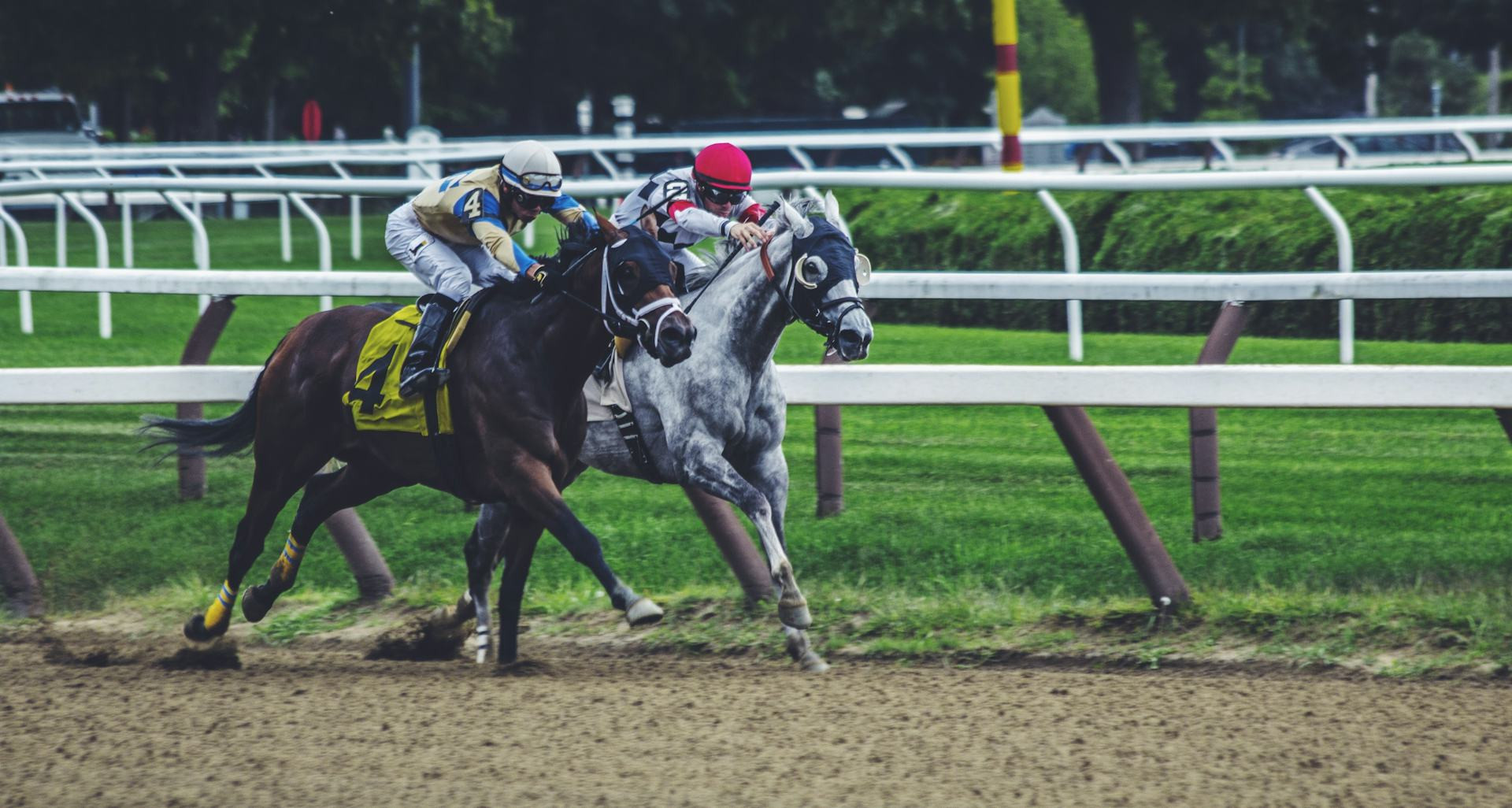
Psychological Traps in Horse Racing – When Favorites Are Overrated and Underdogs Underrated
When betting on horse racing, it’s easy to believe you’re making rational decisions. You study the stats, check the odds, and analyze past performances before placing your wager. But beneath the surface, subtle psychological forces shape how we judge risk and reward. We tend to overrate favorites, underrate longshots, and let emotions, patterns, and social influence guide our choices. This article explores the most common psychological traps in horse racing—and how to recognize them before they cost you money.
The Favorite Trap – When Probability Feels Like Certainty
One of the most widespread biases in betting is the favorite bias—the tendency to overestimate the likelihood that the favorite will win. When a horse is listed at short odds, it can feel almost like a sure thing. But odds reflect the market’s collective expectations, not a guarantee of the outcome.
Research on betting markets, including studies of U.S. racetracks, shows that favorites are often overpriced relative to their true winning chances. They do win more often, but not often enough to make them profitable in the long run. Many bettors still choose them because it feels safer to lose “rationally” than to risk backing a horse that seems unlikely to win.
The Longshot Paradox – When We Undervalue the Unlikely
The opposite bias is the longshot bias—the tendency to overestimate the chances of an underdog. Here, hope and the dream of a big payout take over. A 30-to-1 shot can look irresistible because it represents the fantasy of beating the odds and walking away with a story to tell.
Yet statistically, longshots win even less often than their odds suggest. Over time, chasing those big wins usually leads to bigger losses. Still, many bettors can’t resist the emotional pull of “it could happen,” even when the math says otherwise.
Confirmation Bias – Seeing What We Want to See
Regular racing fans often develop favorites among horses, trainers, or jockeys. This can lead to confirmation bias—the tendency to notice information that supports our existing beliefs and ignore what contradicts them.
If you believe a certain jockey always performs well on muddy tracks, you’ll remember the times that belief proved right and forget the times it didn’t. Over time, this selective memory creates the illusion of patterns that don’t actually exist.
Læs også:
The Herd Effect – When the Crowd Feels Right
Horse racing is a social sport. Bettors talk, share tips, and follow expert picks. This can lead to herd behavior, where people unconsciously follow the crowd’s opinion. When everyone seems to be backing the same horse, its odds drop—and that can reinforce the belief that it must be the right choice.
But often, that’s exactly where the value disappears. The best opportunities are rarely found where everyone else is looking. Smart bettors know that the crowd can be wrong, and that true value often lies in the overlooked contenders.
Loss Aversion – When Fear Drives Decisions
Humans hate losing more than they enjoy winning. This loss aversion can cause bettors to change their strategy after a loss. Some chase their losses with bigger bets, hoping to recover quickly. Others become overly cautious, avoiding risk altogether.
Both reactions can lead to poor decisions. The key is to stick to a consistent strategy and accept that losses are part of the game. Success in betting isn’t about winning every race—it’s about making sound decisions over time.
How to Avoid the Worst Traps
Recognizing these psychological traps is the first step toward avoiding them. Here are a few practical tips:
- Think in probabilities, not emotions. Ask yourself whether the odds truly reflect the horse’s chances—not just how much you want it to win.
- Keep a betting journal. Record your wagers and reasoning. Reviewing your notes helps you spot patterns in your own behavior.
- Question the crowd. If everyone is talking about the same favorite, look for value elsewhere.
- Stick to your plan. Don’t let short-term results dictate your long-term approach.
Horse racing isn’t just about data and form—it’s also about understanding yourself. The better you recognize your own psychological tendencies, the smarter and more disciplined your betting decisions will become.
Læs også: