Herd Mentality in Motorsports: When Everyone Follows the Same Trend

Herd Mentality in Motorsports: When Everyone Follows the Same Trend
Motorsports are built on speed, precision, and strategy—but also on psychology. In a world where thousandths of a second can decide victory or defeat, collective decision-making often plays a bigger role than most realize. Herd mentality—the tendency to follow others’ choices rather than trust one’s own judgment—is a phenomenon that shapes everything from Formula 1 to NASCAR and MotoGP. But why does it happen, and how does it affect drivers, teams, and fans alike?
When Everyone Chooses the Same Strategy
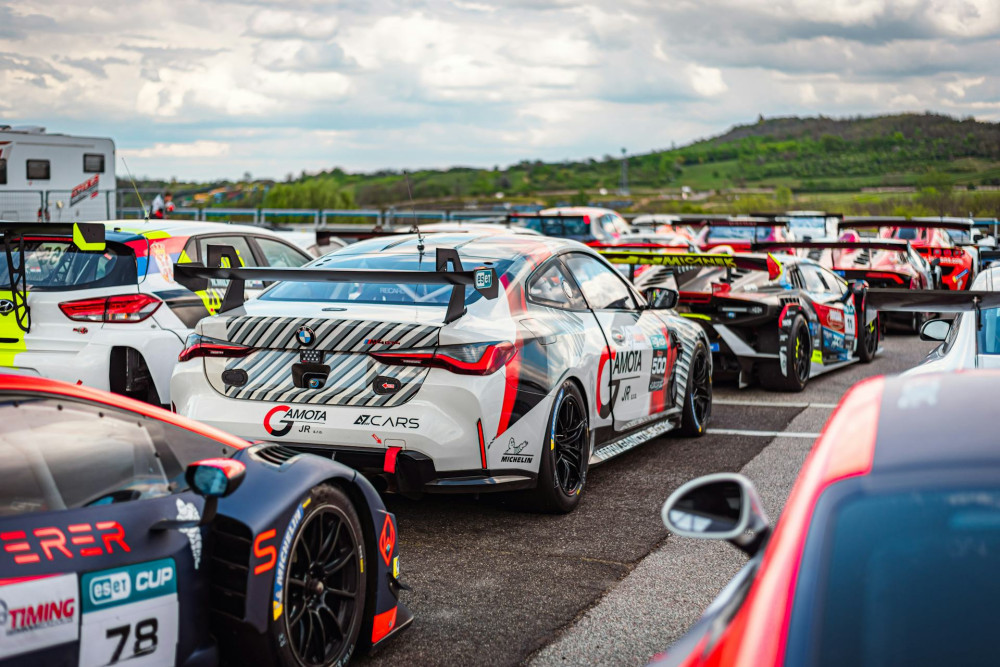
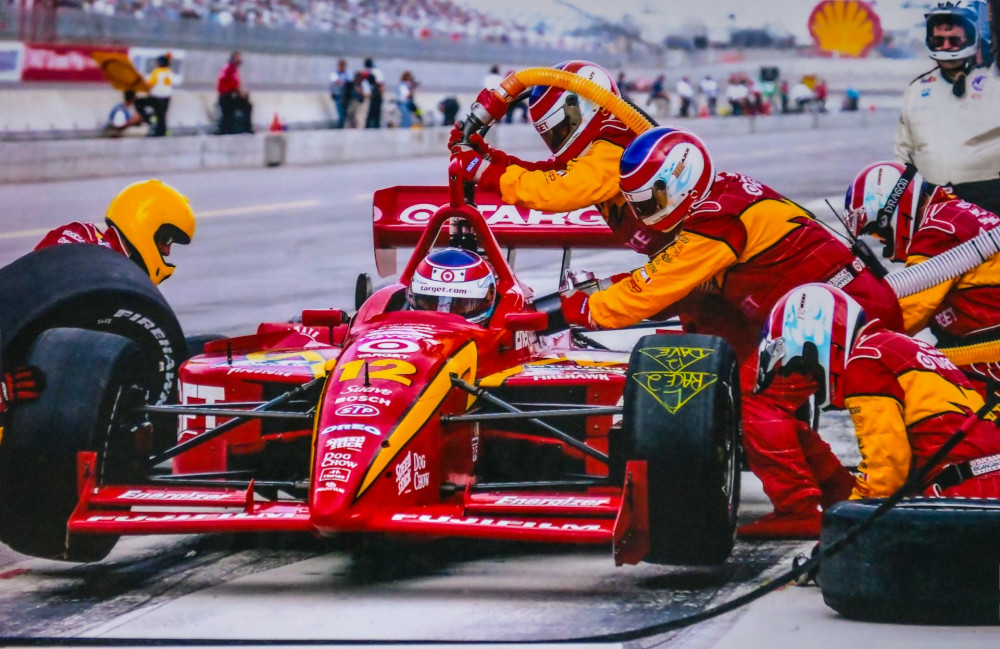
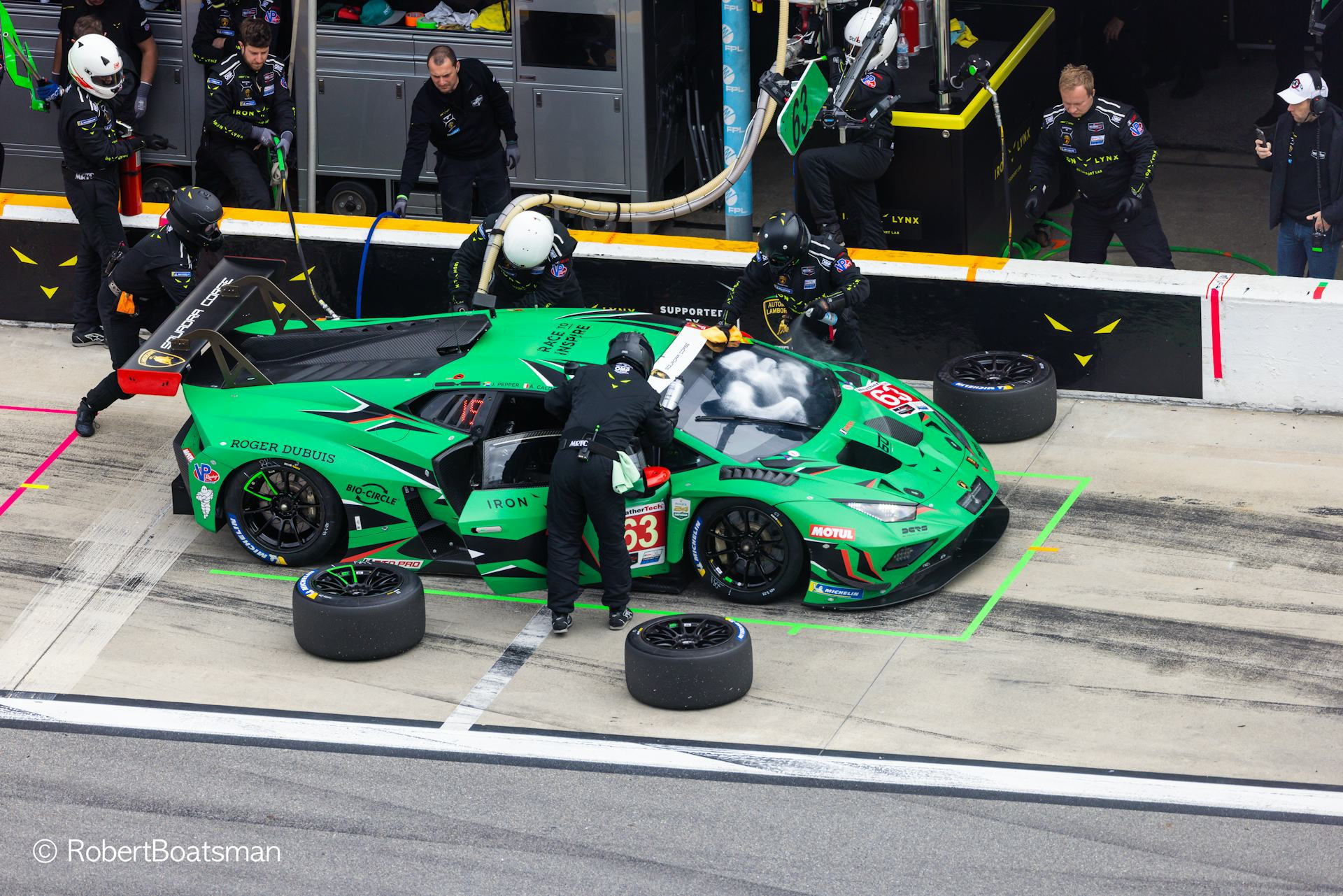
A classic example of herd mentality in racing can be seen in pit strategies. When one team switches to rain tires, others often follow within a lap or two—even if the weather doesn’t necessarily demand it. No one wants to be the team that guessed wrong while the rest got it right. The fear of standing alone with an alternative strategy often outweighs the risk of being wrong together.
This dynamic is amplified by the massive amount of data teams now have access to. When everyone analyzes the same weather models, tire degradation, and telemetry, decisions start to look remarkably similar. Innovation requires courage, and in a sport where mistakes can cost millions, many prefer the safety of the crowd.
The Psychology Behind the Herd
Herd mentality isn’t unique to motorsports—it’s a deeply human instinct. People naturally seek security in numbers. In racing, that instinct is magnified by constant pressure from sponsors, media, and fans. A decision that goes against the grain can quickly be labeled a blunder if it doesn’t pay off.
For drivers, it’s also about trust. When a driver gets a call from the pit wall to follow a certain plan, it’s rare to go against it. The team has the data, the experience, and the responsibility. It often feels safer to follow the plan than to improvise. Yet, history shows that those who dare to trust their instincts can sometimes break the pattern and achieve something extraordinary.
When Fans and Media Follow Suit
Herd mentality doesn’t stop at the track—it shapes how fans and media perceive the sport. When one driver or team dominates, a collective narrative quickly forms about who’s “the best.” Sponsors, commentators, and social media amplify that story until it becomes almost impossible to see beyond it.
The same goes for technology trends. When hybrid power units were introduced in Formula 1, skepticism was widespread. But once the leading teams proved the concept could win, the rest followed. Today, hybrid systems are standard—not just because they’re efficient, but because no one dares to be left behind.
Læs også:
When Someone Dares to Go Against the Flow
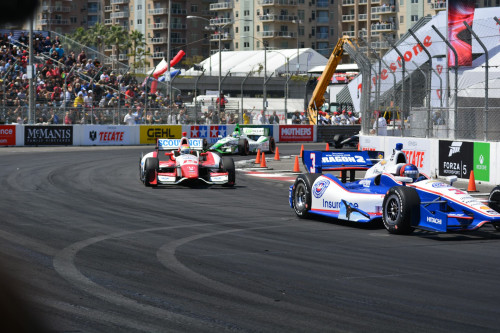
History shows that the biggest breakthroughs often come from those who defy the herd. When Brawn GP introduced the double diffuser in 2009, rivals were skeptical—but the team went on to dominate the season. In American racing, innovators like Jim Hall’s Chaparral team in the 1960s revolutionized car design with ground-effect aerodynamics long before it became mainstream. In NASCAR, teams that experimented with fuel-saving strategies or unconventional setups have occasionally turned underdog status into victory.
Going against the flow takes both technical insight and the courage to fail. But that willingness to experiment is what drives motorsports forward. Without the few who dare to think differently, the sport would stagnate in repetition.
What Herd Mentality Means for Analysis and Betting
For those who follow motorsports analytically—whether as fans, journalists, or bettors—understanding herd mentality can be an advantage. When most observers rely on the same data and trends, a “mainstream” perception of who’s favored emerges. But that’s often where opportunities lie for those who think differently.
Spotting moments when a team or driver makes a calculated move against the consensus can reveal hidden value. It requires insight into both the sport’s technical side and the psychological forces shaping decisions behind the scenes.
A Sport Driven by Both Courage and Fear
Herd mentality in motorsports is neither entirely good nor bad. It creates stability and predictability, but it can also stifle innovation. Ultimately, it’s about balance—between learning from others and trusting one’s own judgment.
For drivers, teams, and fans, it’s a reminder that speed isn’t just measured in miles per hour, but also in the ability to think quickly and independently. Racing rewards those who take risks—but also those who know when it’s smartest to follow the pack.
Læs også: