Weather, Timing, and Location – Factors That Influence Your Soccer Choices

Weather, Timing, and Location – Factors That Influence Your Soccer Choices
When analyzing a soccer match, it’s easy to focus on stats, form, and injuries. But there are other elements that often go unnoticed—and they can have a major impact on how a game unfolds. Weather conditions, time of day, and location all play a role in shaping performance and outcomes. Here’s how these factors influence the game—and how you can use them to make more informed soccer decisions.
Weather – More Than Just Background Noise
Weather can change the character of a match in surprising ways. Rain, wind, and temperature all affect the pace of play and player performance.
- Rain and wet fields make the ball move faster and harder to control. Teams that rely on short, technical passing may struggle, while more physical teams that play long balls often adapt better.
- Wind can be unpredictable, especially in open stadiums. Strong gusts can alter the flight of the ball, making set pieces and long passes more difficult to judge.
- Heat and cold influence endurance and intensity. In extreme heat—like summer games in Texas or Florida—players tire faster, and the tempo often drops. In cold conditions, such as early spring matches in the Midwest, players unused to the chill may find it harder to stay loose and focused.
Before you make any predictions, check the forecast. In leagues that span different climates—like Major League Soccer, where teams travel from humid Miami to high-altitude Denver—weather can be a decisive factor.
Timing – Rhythm, Fatigue, and Motivation
The time of day and point in the season can also shape how teams perform. Players respond differently to early kickoffs, night games, and congested schedules.
- Early games can be tricky for teams used to evening matches. Body rhythms matter, and sluggish starts are common in noon kickoffs.
- Night games often bring higher intensity, especially under the lights with a lively crowd. The atmosphere can energize the home team and lead to more attacking play.
- Midweek fixtures can test squad depth. Teams juggling league and cup commitments may rotate players, leading to unpredictable results.
Timing within the season matters too. Late-season matches can see motivation levels diverge—some teams fight for playoff spots, while others have little left to play for and may rest key players.
Location – Home Advantage, Travel, and Geography
Home-field advantage is real, but its strength varies depending on several factors.
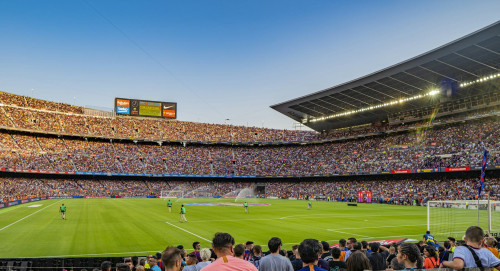
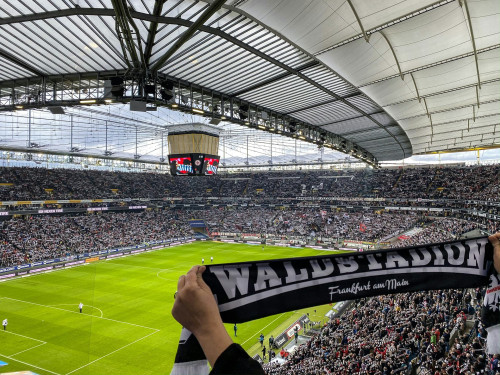
- Crowd support can lift the home team’s energy and confidence. In cities with passionate fan bases—like Seattle, Portland, or Atlanta—the noise and atmosphere can rattle visiting teams.
- Travel distance and time zones are major considerations in U.S. soccer. A team flying cross-country from Los Angeles to New York faces fatigue and body-clock adjustments that can subtly affect performance.
- Altitude and climate also play a role. Teams visiting Denver or Salt Lake City must adapt to thinner air, which can impact stamina and ball flight. Conversely, teams from cooler regions may struggle in the humidity of southern states.
Even the playing surface can make a difference. Some MLS teams play on artificial turf, while others use natural grass. Visiting teams often need time to adjust to the bounce and speed of a different surface.
Læs også:


How to Use These Factors in Your Analysis
When evaluating a match, think of weather, timing, and location as layers that complement traditional stats. They can be the small details that tip the balance in a close contest.
- Match the forecast with each team’s playing style—technical vs. physical.
- Consider the timing of the game and each team’s recent schedule.
- Assess the home-field advantage in that specific venue or region.
By factoring in these elements, you’ll gain a more complete picture of how a game might play out—and make smarter, more nuanced soccer choices.
The Details Make the Difference
Soccer is full of variables, and that’s what makes it fascinating. Weather, timing, and location aren’t just background conditions—they’re part of the game’s fabric. The better you understand them, the sharper your insights will be.
Læs også: