PGA Tour vs. European Tour – Analyze Course Differences Using Statistics

PGA Tour vs. European Tour – Analyze Course Differences Using Statistics
For golf fans in the United States, the PGA Tour is the gold standard of professional golf. But across the Atlantic, the European Tour—now officially the DP World Tour—offers a distinctly different version of the game. The contrasts go far beyond geography and culture: course design, grass types, weather conditions, and even scoring patterns vary significantly. By looking at the numbers, we can see how these differences shape playing styles, strategies, and outcomes.
Length and Layout – American Power vs. European Precision
One of the most striking differences between the two tours is course length. According to official PGA Tour data, the average course measures about 7,250 yards (6,630 meters), while the average European Tour course is closer to 6,950 yards (6,355 meters). That 300-yard gap may not sound like much, but it often determines which type of player thrives.
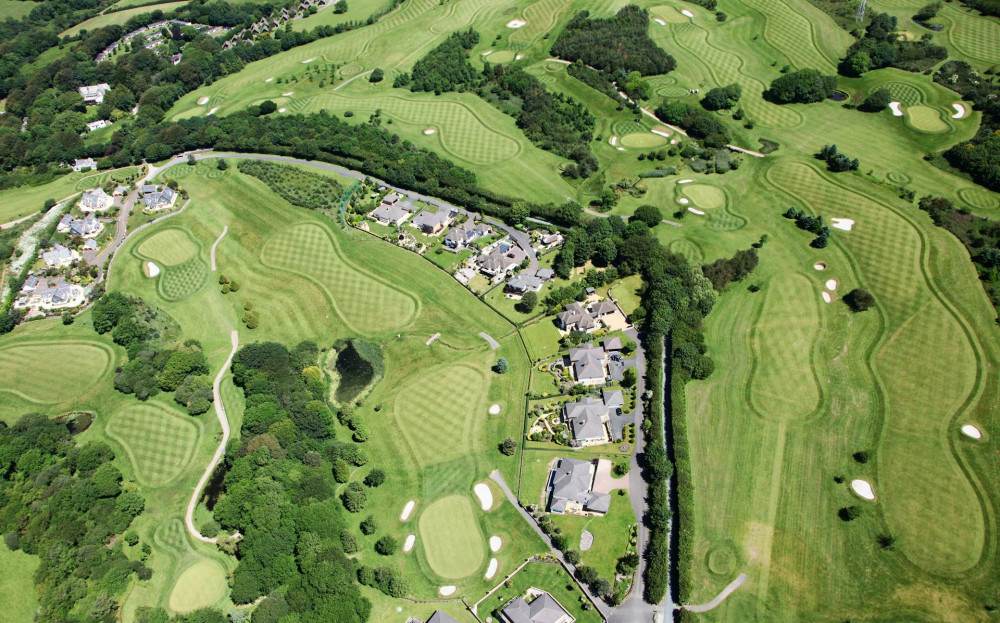
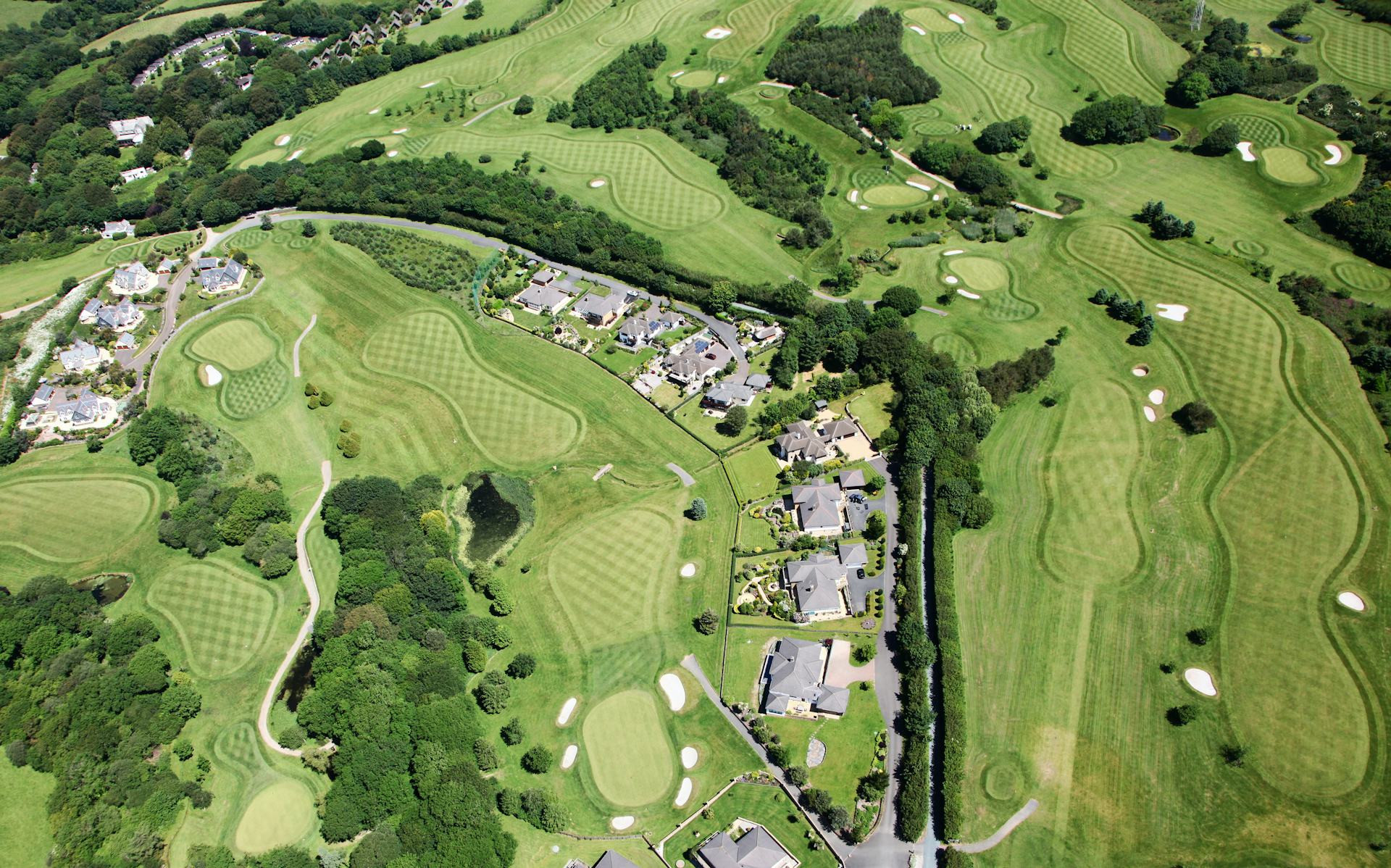
PGA Tour courses tend to feature wider fairways and more forgiving rough, rewarding players who can drive the ball long and straight. Big hitters like Rory McIlroy and Scottie Scheffler often gain strokes off the tee thanks to these setups. In contrast, European Tour courses are typically tighter, with narrower fairways, more doglegs, and greater elevation changes. These layouts demand accuracy and creativity rather than sheer distance.
Grass Types and Climate – Playing the Surface
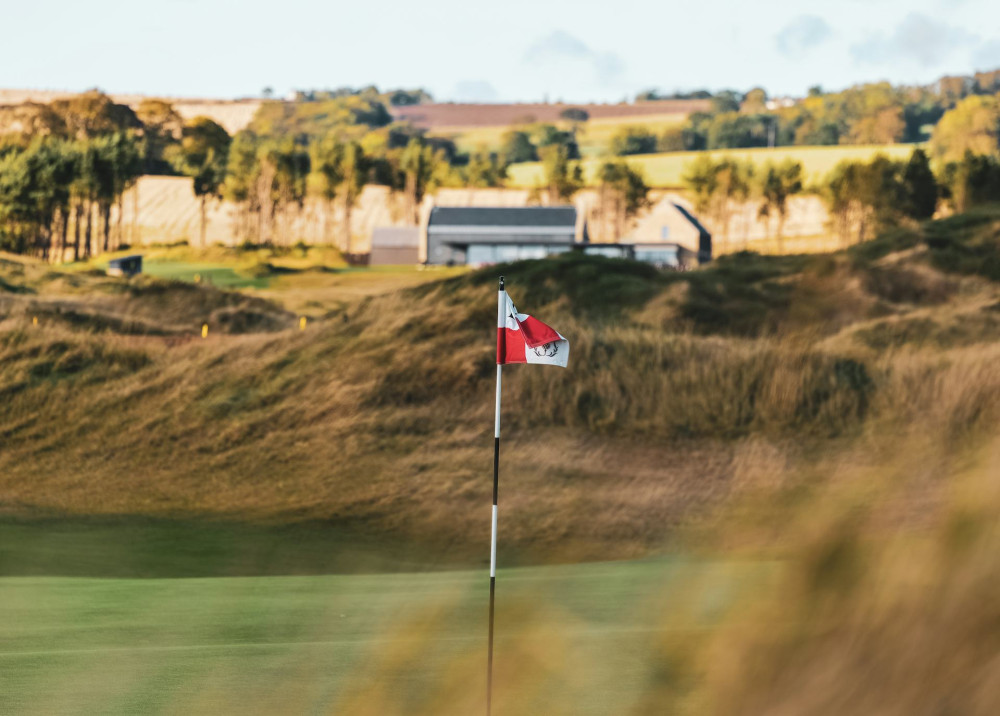
Grass type is another subtle but crucial factor. In the U.S., Bermuda and Bentgrass dominate, especially in the South and Midwest. These grasses produce fast, smooth greens that reward consistent putting. On the European Tour, however, fescue and ryegrass are more common, particularly in the U.K. and Northern Europe. These surfaces are slower and less predictable, often influenced by moisture and wind.
Statistically, this difference shows up in putting performance. The average make rate from 10 feet on the PGA Tour hovers around 38%, while on the European Tour it’s closer to 34%. Over four rounds, that small gap can easily decide a tournament.
Weather and Conditions – Stability vs. Adaptability
Weather is perhaps the most visible difference between the two tours. The PGA Tour schedule is built around stable, warm climates—Florida, California, Texas, Arizona—where wind and rain rarely dominate play. European Tour events, on the other hand, often take place in variable conditions, from the blustery coasts of Scotland to the cool hills of Switzerland.
At events like The Open Championship, wind speeds can exceed 20 mph (9 m/s), and scoring averages can rise by two or more strokes per round compared to calm days. These conditions test not only skill but also mental resilience and course management. European players often develop a reputation for thriving in adversity, a trait that serves them well in major championships.
Læs også:
Scoring and Difficulty
When comparing scoring averages, PGA Tour players typically post lower numbers. The average round on the PGA Tour is about 70.8 strokes, while the European Tour average is around 71.4. This difference reflects both course setup and environmental factors. American courses may have faster greens, but they also offer more consistent lies and weather.
The “greens in regulation” (GIR) statistic tells a similar story. PGA Tour players hit about 66% of greens, compared to 63% on the European Tour. That three-point gap suggests that European courses penalize missed fairways and errant approach shots more severely.
Strategy and Playing Style
These statistical contrasts shape how players approach the game. On the PGA Tour, success often comes from aggression—long drives, short irons, and birdie opportunities. On the European Tour, strategy and adaptability are key. Players must manage the wind, read unpredictable greens, and accept that par can be a good score.
This is why some golfers excel on one tour but struggle on the other. Players like Viktor Hovland and Jon Rahm have managed to blend both styles—combining American power with European precision—to succeed globally.
What It Means for Fans and Analysts
For U.S. fans who follow both tours, understanding these differences adds depth to the viewing experience. When evaluating a player’s form, it’s not enough to look at recent finishes—you also need to consider course type, grass surface, and weather conditions. A player who gains strokes off the tee may dominate on the PGA Tour, while one with elite scrambling and short-game stats might shine in Europe.
These nuances also help explain why certain players perform better in specific majors. The Masters and PGA Championship often favor the American style of play, while The Open rewards those comfortable with links golf and unpredictable weather.
Two Tours, One Game
The PGA Tour and European Tour represent two distinct expressions of the same sport. One emphasizes power, precision, and consistency; the other celebrates adaptability, creativity, and resilience. The statistics make it clear: there’s no single formula for success in professional golf. Instead, the game’s beauty lies in its diversity—each course, each climate, and each tour telling its own story.
Læs også: