Number of Rounds and Odds – What Do They Reveal About the Fight’s Expected Course?

Number of Rounds and Odds – What Do They Reveal About the Fight’s Expected Course?
When a boxing match is announced, it’s not just the fighters’ names that grab attention. The number of rounds and the betting odds often reveal a lot about how experts and bookmakers expect the fight to unfold. Will it be a quick knockout, or a tactical battle that goes the distance? In this article, we’ll look at how you can read the expected rhythm and outcome of a fight through its rounds and odds.
The Number of Rounds – Setting the Stage
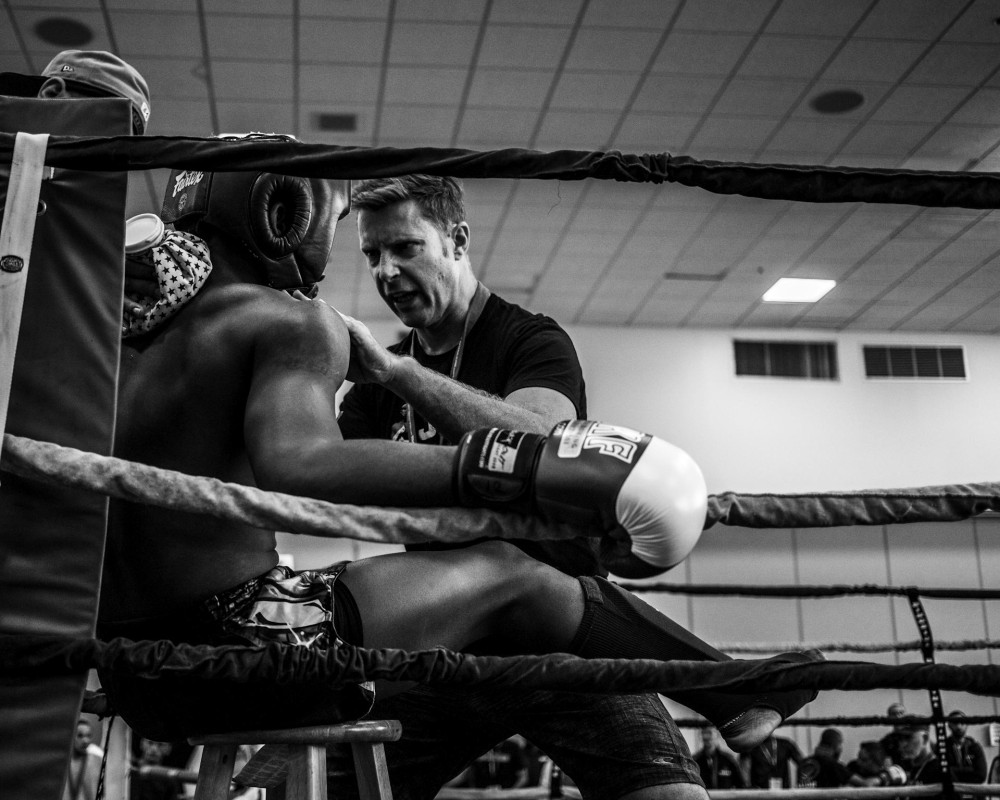
The number of rounds in a boxing match depends on the level and significance of the bout. Professional title fights are typically scheduled for 12 rounds, while smaller contests might be set for 4, 6, 8, or 10. The more rounds there are, the more endurance, strategy, and pacing come into play.
Shorter fights often demand a faster start. With less time to “figure out” an opponent, fighters tend to be more aggressive early on, leading to more quick finishes in 4–6 round bouts. Longer fights, on the other hand, allow for a more measured tempo, where tactics and conditioning become decisive factors.
Over/Under Rounds – A Favorite Among Bettors
One of the most popular betting markets in boxing is the “over/under” on rounds. Here, you wager on whether the fight will last longer or shorter than a set number of rounds. For example, a sportsbook might set the line at 7.5 rounds. If you bet the “over,” you’re predicting the fight will go past that mark; if you bet the “under,” you expect an early finish.
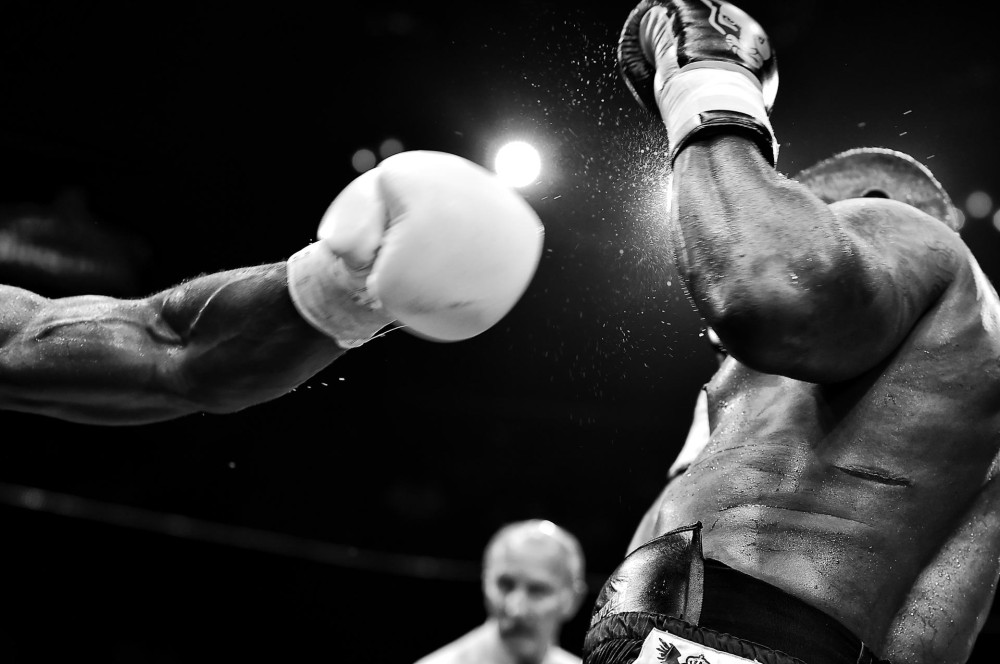
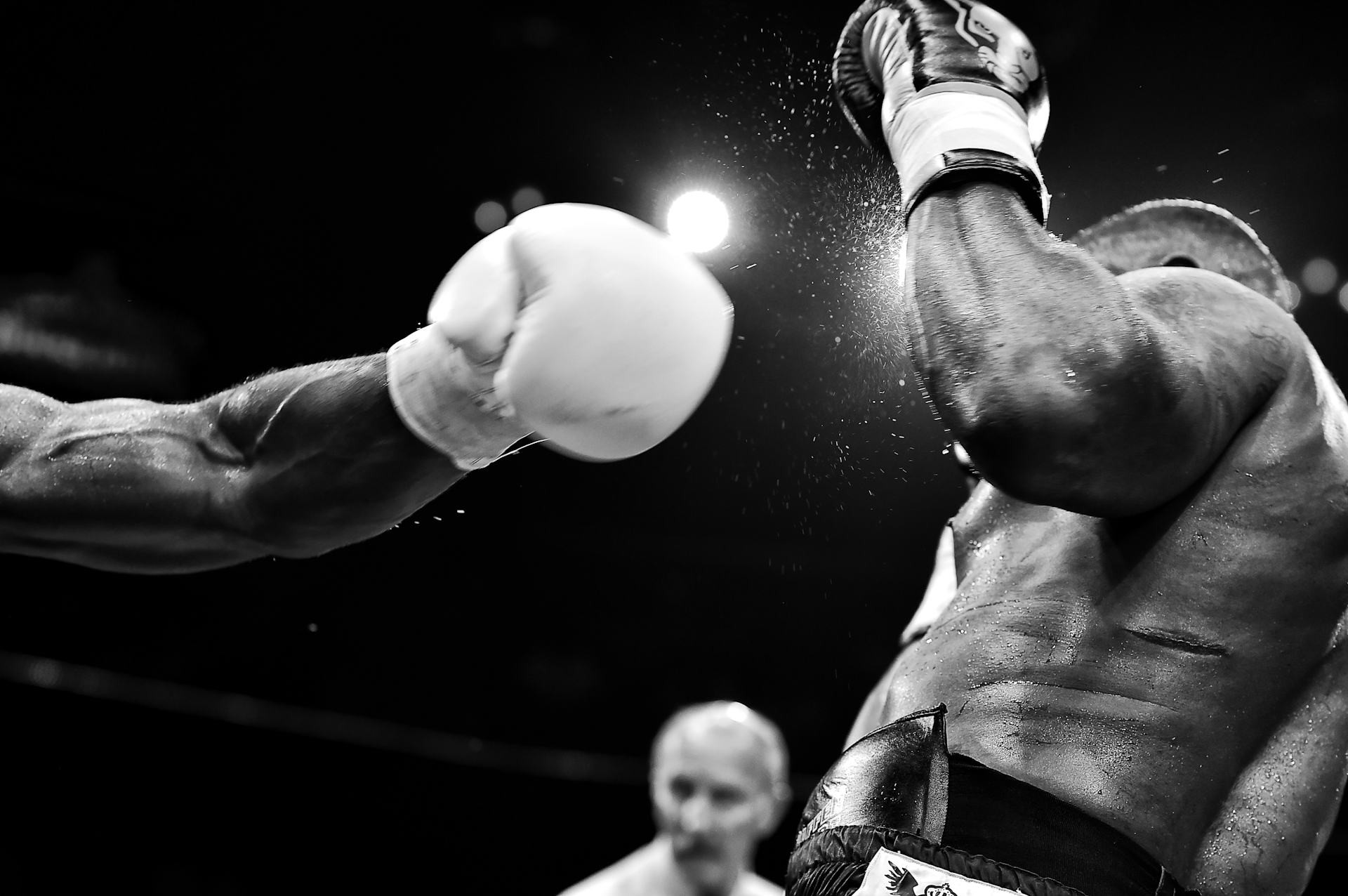
These odds reflect how analysts and bettors view the fighters’ styles and power. Two heavy punchers with a history of knockouts will usually produce lower odds on the “under,” while technically skilled fighters with strong defense and stamina often lead to higher odds for a quick stoppage.
Læs også:


What the Odds Tell Us
Odds are not random numbers—they’re built on data and expert analysis. Bookmakers consider each fighter’s record, style, age, weight class, and even recent training camp reports. If a favorite has very short odds to win, it suggests an expectation of a one-sided fight. But if the odds for a knockout victory are low while the odds for a decision win are high, it indicates that experts foresee an early finish.
Conversely, high odds on a knockout and lower odds on a decision suggest a close, drawn-out contest. This is where the number of rounds and the odds intersect—they tell a story about the likely pace and flow of the fight.
Weight Class and Fighting Style Matter
Weight class plays a major role in how odds are set. In heavier divisions, knockouts are more common because of the greater punching power. In lighter divisions, the pace is faster, but fights often go the distance. That’s why “over” bets tend to be more appealing in lightweight bouts, while “under” bets often attract attention in heavyweight clashes.
Fighting style is another key factor. An aggressive pressure fighter can force mistakes and early stoppages, while a defensive counterpuncher may drag the fight into the later rounds. When you look at the odds, you can often infer what kind of fight the bookmakers expect.
How to Use This Information as a Viewer or Bettor
Even if you’re not betting, the odds can offer fascinating insight into how experts view the matchup. They act as a collective prediction, shaped by data, experience, and market movement.
For bettors, the goal is to find value—situations where you believe the odds underestimate a certain outcome. Maybe you think an underdog has a better chance of surviving the early rounds than the market suggests. Or perhaps you expect a cautious approach from a favorite who’s known for early knockouts.
A Fight Is More Than Numbers – But the Numbers Speak Volumes
While odds and round counts can’t predict everything, they provide a strong indication of what to expect. They reflect not only the fighters’ strengths and weaknesses but also how the market interprets them.
So next time you see a fight poster listing “10 rounds” and a set of odds, take a closer look. Those numbers often tell a deeper story—about the fighters, the strategies, and how the battle is likely to unfold, round by round.
Læs også: